

IMPLEMENTATION AND METHODOLOGY
GTI’s projects are driven by a human rights-based, inclusive, and participatory approach. We engage communities—women, youth, elders, and marginalized groups ensuring Do No Harm while fostering local ownership and sustainability. By blending traditional knowledge with modern practices, our initiatives empower communities to lead solutions in livelihoods, health, peacebuilding, and leadership, creating lasting impact that is equitable, resilient, and community-led.
Project 1: Green Livelihoods for Resilient Communities (GLRC).
Eco-Economic Empowerment for Inclusive and Planet-Friendly Development in Northern Uganda
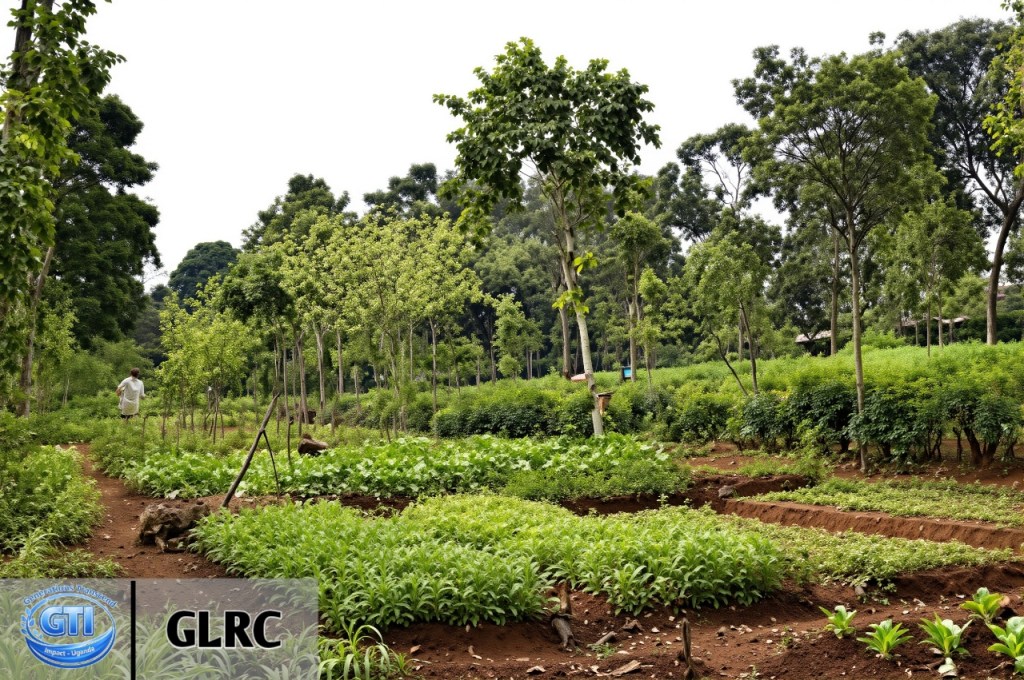
GLRC strengthens climate-resilient livelihoods while restoring ecosystems in post-conflict Northern Uganda. Implemented in Gulu District, the project supports vulnerable youth, women, and returnee households through
market-oriented green enterprises such as climate-smart agriculture, beekeeping, agroforestry, energy-saving cookstoves, and briquette production from agricultural waste.
By linking livelihood improvement with environmental stewardship, GLRC reduces reliance on destructive practices, strengthens food security, and increases household incomes. Demonstration plots, nurseries, and cooperative development ensure hands-on learning, local ownership, and sustainability.
Designed as a scalable model, GLRC empowers communities to be stewards of both their livelihoods and natural resources, promoting people-centered, nature-positive development across the Acholi sub-region.
Project 2: Sacred Earth, Shared Future (SESF)
An Interfaith Eco-Spiritual Initiative for Environmental Restoration, Peacebuilding, and Community Resilience
SESF mobilizes faith leaders, youth, and women in Gulu and Pader Districts to promote environmental stewardship as a shared spiritual responsibility. Through interfaith environmental education, tree
planting, ecosystem restoration, and eco-spiritual leadership, the project links care for land, water, and forests with peacebuilding and community cohesion.
Faith institutions serve as platforms for eco-rituals, climate education, and practical conservation, while intergenerational participation ensures that environmental care is embedded in cultural and spiritual practices. Participants plant indigenous and fruit trees, establish community nurseries, and integrate environmental messages into sermons and prayers.
SESF is low-cost, community-owned, and scalable, fostering long-term ecological restoration, climate resilience, and peaceful coexistence in Northern Uganda.
Project 3: Bridges of Wisdom
Intergenerational Learning for Acholi Futures | Strengthening Cultural Identity, Social Cohesion, and Sustainable Development

Bridges of Wisdom reconnects youth and elders in Gulu District to preserve Acholi cultural knowledge and strengthen social cohesion. Structured intergenerational forums allow elders to share indigenous wisdom while youth contribute modern skills, digital literacy, and innovation.
Through mentorship exchanges, storytelling, oral history documentation, and joint community initiatives, participants foster respect, gratitude, and collective responsibility. Activities include cultural preservation, environmental stewardship, and youth-led problem-solving that integrate Acholi values.
By restoring intergenerational learning, Bridges of Wisdom ensures cultural continuity, strengthens community resilience, and prepares youth to lead while honoring heritage.
Project 4: Community Peace Circles & Mediation Program (CPCMP)
Reviving Culture. Healing Communities. Building Lasting Peace in Northern Uganda
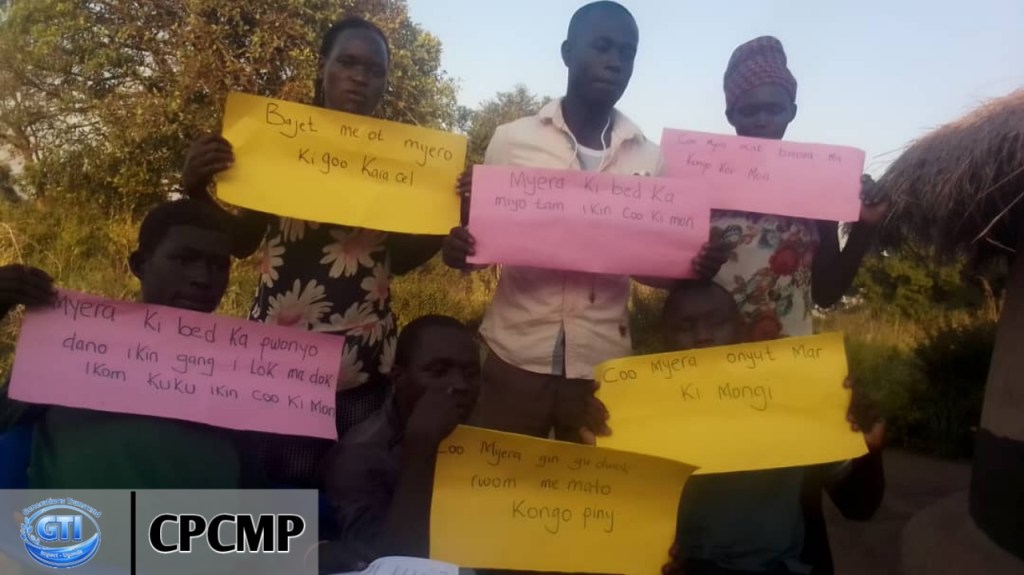
CPCMP revitalizes traditional Acholi conflict resolution mechanisms while integrating modern mediation and human rights principles. Implemented in Gulu and Amuru Districts, community peace
circles address land disputes, domestic violence, youth conflicts, and inter-clan tensions before they escalate.
Peace education in schools and youth groups promotes non-violence, coexistence, and restorative justice, while trained mediators ensure inclusive participation of women, youth, elders, and marginalized groups. Environmental stewardship and community projects are integrated into peace activities to reinforce sustainable development.
By blending cultural practices with modern approaches, CPCMP strengthens social cohesion, reduces conflict recurrence, and empowers communities to engage in inclusive and sustainable development.
Project 5: Healthy Environments, Healthy Communities (HEHC)
Preventive Public Health and Environmental Sanitation for Resilient Communities in Gulu District
HEHC improves household and community sanitation, hygiene, and environmental conditions to reduce preventable diseases in Gulu District. The project targets women, caregivers, youth, and children through community-led sanitation improvements, safe water handling, waste management, vector control, and health behavior change.
Innovative approaches include annual health camps, mobile clinics, and integration with Uganda’s national health system, strengthening Village Health Teams (VHTs) and Health Centre IIs and IIIs. Health education campaigns and household-level interventions promote preventive health practices sustainably.
By combining environmental stewardship with public health, HEHC reduces diarrheal, respiratory, and vector-borne diseases while fostering resilient and healthy communities.
Project 6: Healthy Mind, Healthy Life.
Mental Health Matters | Mental Well-Being for Resilient Communities in Northern Uganda
Healthy Mind, Healthy Life is a community-centered mental health initiative that promotes psychological well-being, prevents mental health disorders, and improves access to psychosocial support in Gulu District. The project targets youth, women, caregivers, and conflict-affected households experiencing trauma, stress, and psychosocial distress.
Interventions include awareness campaigns, stigma reduction, peer support groups, school-based programs, and training of community mental health champions. Mobile outreach clinics, screening camps, and structured referral pathways link communities with Health Centre IIs and IIIs.
By addressing mental health early and within trusted community settings, the project reduces stigma, strengthens social support systems, and fosters resilience, demonstrating that mental health is a vital pillar of healthy, sustainable communities.
Project 7: NextGen Leaders.
Mentoring Tomorrow’s Change-Makers | Building Values-Driven, Servant-Oriented Leadership in Northern Uganda
NextGen Leaders cultivates ethical, values-driven, and servant-oriented youth leaders in Gulu District. Through structured mentorship, role modeling, leadership workshops, and youth-led community service projects, the initiative empowers young people to practice integrity, empathy, and civic responsibility.
Participants learn from positive role models—including elders, faith leaders, and professionals—while applying leadership principles in community initiatives that foster social cohesion, problem-solving, and sustainable development.
Designed as a scalable and sustainable model, NextGen Leaders prepares a new generation of changemakers capable of inspiring positive, inclusive, and lasting impact across Northern Uganda.
 Generations Transcend Impact (Uganda)